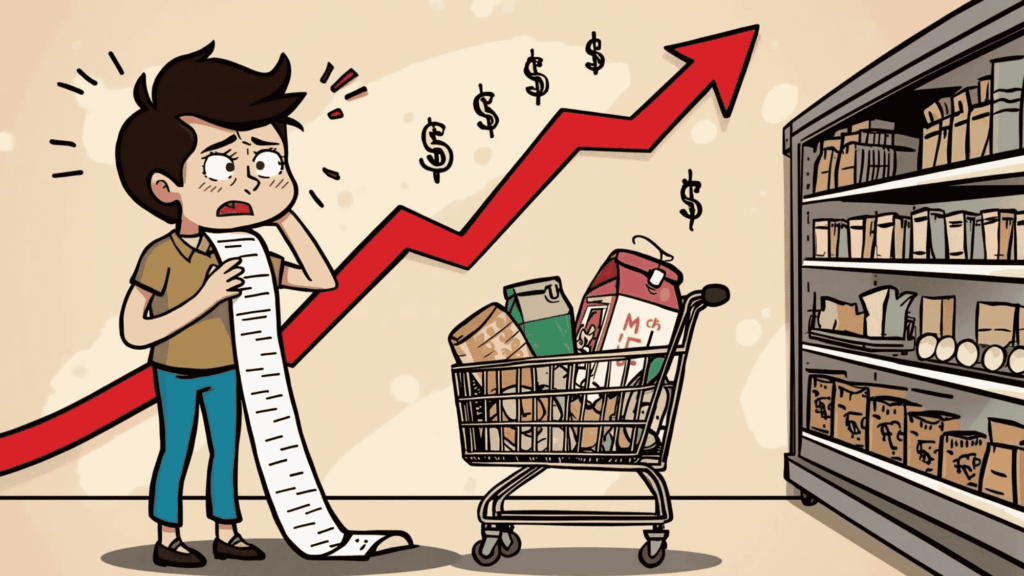
The grocery cart looks the same as last year. The receipt does not. Prices have crept upward across the basics. Milk costs more by the gallon. Eggs cost more by the dozen. Bread, coffee, and pantry staples all ring up higher than they did twelve months ago, even though nothing about the products themselves has changed. The packaging is identical. The brands are the same. The store is the same. Yet the total at the register keeps rising every few months, and most people walk out of the store wondering exactly what is going on.
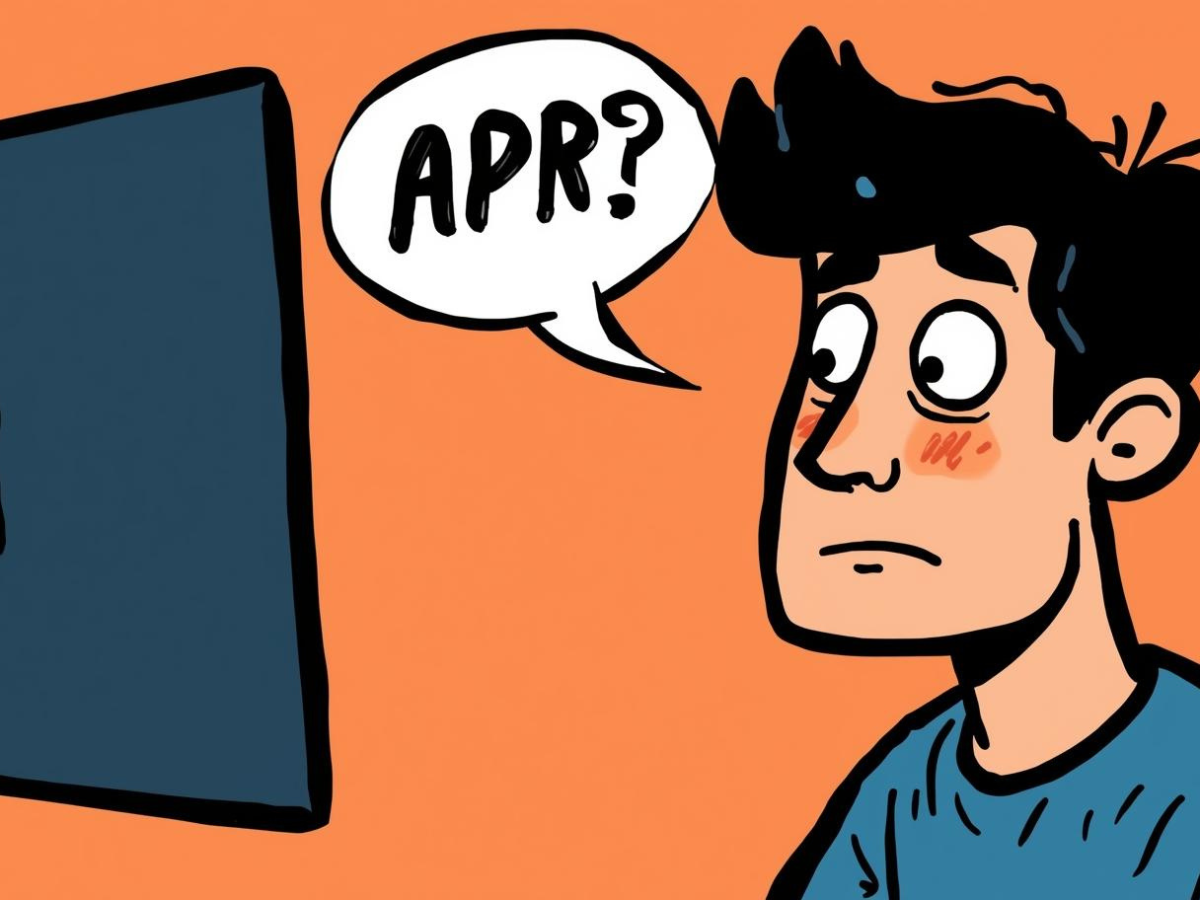
That quiet, frustrating feeling has a name. It is called inflation, and it touches every dollar earned, saved, and spent in the economy. Most people sense it long before they understand it, and that gap between feeling it and understanding it is where much of the financial confusion lives.
Watch the Money Nudge YouTube video about Inflation:
Prefer to watch instead of read?
Subscribe to The Money Nudge on YouTube for plain-English videos on money, investing, and economic topics.
Table of Contents
What Is Inflation in Plain Language
Inflation is the slow upward drift of prices across an economy over time, measured as a broad average rather than a single product or category. When prices rise this way, the same dollar buys a little less than it did before. The dollar itself does not shrink physically; its purchasing power weakens, and that weakening shows up at gas stations, grocery aisles, restaurants, and on utility bills.
A simple way to picture it: imagine a 20-dollar bill from ten years ago and a 20-dollar bill from today. They look identical. They are worth the same on paper. However, the older bill could fill a grocery basket that the newer one cannot. The bill did not change. The world around it did.
Inflation Definition in One Sentence
The clearest definition of inflation is a sustained increase in the general price level of an economy, leading to a decline in the purchasing power of money over time.
Two words in that statement do a lot of heavy lifting. The first is “sustained.” A single price spike on tomatoes after a bad harvest does not count. The term refers to a broad pattern across many goods and services, not a one-time jump in a single category. The second important word is “general.” It describes the overall direction of prices, not the movement of any single product. Some items can fall in price even as the general price level rises, and the average is what economists track.
How Economists Measure Inflation
Economists need a way to turn a vague feeling about prices into a specific number. They do this by tracking the cost of a representative collection of goods and services over time, then comparing those costs month to month and year to year.
The most common tool for measuring inflation is the Consumer Price Index (CPI). Other measures exist, including the Producer Price Index and the Personal Consumption Expenditures index. Yet CPI is the figure that appears most often in news headlines and household conversations. When someone says “inflation came in at 3% last month,” they are almost always referring to a CPI reading.
What Is the Consumer Price Index and How Does It Work
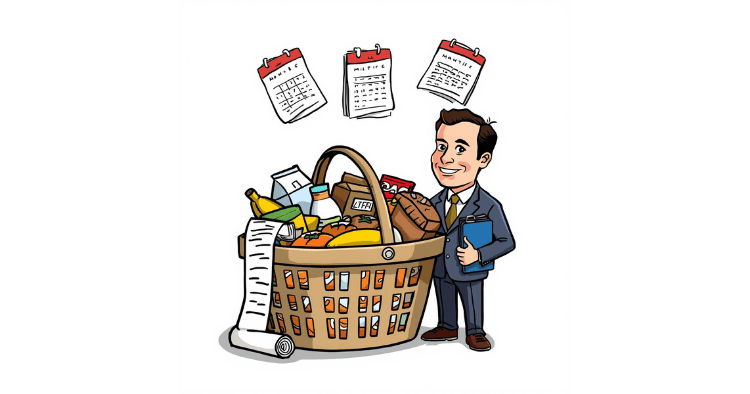
The Consumer Price Index is a giant, ongoing shopping list. Government economists build a basket of typical goods and services that an average household actually buys. They price that basket every single month and compare the totals.
The basket is wide. It includes food, rent, gasoline, clothing, medical care, transportation, education, recreation, and many other categories. Each category gets a weight based on how much of a typical household budget it consumes. Housing carries a heavier weight than haircuts, for example, because housing eats a much larger share of most paychecks.
When the total cost of that basket rises by 3 percent from one year to the next, economists report annual inflation at 3 percent. The number is straightforward, even if the calculations behind it are not.
Why CPI Sometimes Feels Off
Many people read a CPI number and think, “There is no way prices only went up that much.” That reaction is normal, and there are real reasons behind it.
The Consumer Price Index tracks an average household, yet no real household is exactly average. A family that drives long distances feels the price of gasoline more sharply. A renter in a hot housing market feels rent increases more sharply. A retiree on prescription medications feels healthcare prices more sharply. The official number reflects the broad average, while personal experience reflects a specific corner of the basket.
Memory also plays tricks. People tend to remember the prices that jumped the most and forget the ones that stayed flat or even fell. This is why steady, modest inflation can still feel painful, even when the overall number looks small on paper.
The Main Causes of Inflation Explained Simply
Rising prices do not appear out of thin air. Three main forces push them upward, and most real-world episodes are some mix of all three. Understanding the causes of inflation makes the whole topic far less mysterious.
Cause 1: Demand-Pull Inflation
This first type happens when buyers want more goods and services than the economy can comfortably produce at current prices. Too many dollars chase too few products, and sellers respond by raising prices.
Picture a popular concert venue with 1,000 seats and 10,000 fans trying to buy tickets. The price rises because demand far exceeds supply. Now scale that idea up to an entire economy. When consumers have lots of money to spend, when confidence is high, and when supply cannot keep up, prices across many categories drift upward together.
This pattern is often described as “too much money chasing too few goods.” The phrase is old, yet it captures the idea well.
Cause 2: Cost-Push Inflation
This second type comes from the supply side rather than the demand side. Production gets more expensive. Companies absorb part of that increase, then push the rest of it onto the shelf, which raises the sticker price the shopper sees.
Several factors can drive up production costs. Energy prices are a common culprit, because nearly everything in a modern economy depends on fuel and electricity. Wages can also push costs higher when labor markets are tight—raw materials, shipping, and packaging all feed into the final price tag on a shelf.
A simple example: when oil prices spike, the cost of trucking food to grocery stores rises, and grocery prices rise as a result. The shopper sees a more expensive box of cereal without ever thinking about the diesel pump that made it more expensive.
Cause 3: Monetary Supply Inflation
The third cause involves the supply of money itself. When the amount of money circulating in an economy grows much faster than the amount of goods and services available to buy, each dollar becomes worth a little less.
A simplified way to picture this: imagine a small island economy with 100 coconuts and 100 dollars. Each coconut is worth one dollar. Now, the island prints another 100 dollars without growing any new coconuts. There are still only 100 coconuts, yet now 200 dollars are chasing them. Each coconut is now worth two dollars. Nothing about the coconuts changed. The money supply did.
Real economies are vastly more complicated than coconut islands, yet the basic principle still applies. When money supply grows much faster than economic output, rising prices tend to follow.
What a Normal Inflation Rate Looks Like
A common surprise for people new to economics is that mainstream economists do not view zero inflation as the goal. A small amount of upward drift is actually considered healthy for a modern economy. The target most central banks settle on is near 2 percent per year, and that figure is treated as the sweet spot for stability and growth.
That target is not random. Mild, steady price growth encourages people to spend and invest rather than hoard cash, because cash sitting still slowly loses value. It also gives businesses room to adjust prices and wages over time without painful shocks, and it gives central banks breathing room to cut interest rates during downturns.
When the rate stays stable and predictable at around 2 percent, the economy runs more smoothly. Wages can rise gradually. Businesses can plan. Consumers can budget without constant surprises. The system works because the change is gentle, expected, and built into financial planning.
What is interest rate? A Simple and Clear Explanation
Now that you understand how interest compounds, find out who actually sets the benchmark rate — and why every Fed decision ripples through your savings, loans, and investments.
Read Article →Why Zero Inflation Worries Economists
A flat or falling price level can sound appealing at first. Cheaper goods seem like good news for shoppers. However, persistent falling prices, known as deflation, often signal serious economic trouble.
When prices fall consistently, consumers tend to delay purchases because they expect things to be cheaper next month. Businesses then sell less, cut workers, and freeze investment. Wages stagnate or fall. Debt becomes harder to repay because the dollars owed are now worth more than the dollars borrowed. Activity stalls across the entire economy, as it did during long stretches of the Great Depression.
A low, steady, positive rate is the economic equivalent of a gentle tailwind. Too much wind topples things over, yet a complete absence of wind leaves the system stuck.
What Happens When Inflation Gets Too High
The picture changes dramatically when inflation moves well above its target range. High inflation chews through purchasing power quickly, and the damage shows up in three main areas of household finance.
Effect 1: Eroding Purchasing Power
Purchasing power is how much a dollar can buy. When prices climb fast, purchasing power falls fast, and the gap between what a paycheck used to buy and what it buys today becomes painfully obvious.
Consider a household spending 1,000 dollars a month on groceries. If grocery prices climb by 8 percent, the same basket costs $ 1,080 the following year. The household either spends 80 dollars more, buys 80 dollars less, or makes some combination of both adjustments. None of those choices feels good.
Effect 2: Wages Falling Behind
Wages do not adjust to rising prices in real time. They typically rise once a year, sometimes less often, and they often rise by less than the inflation rate. The result is a phenomenon known as a real wage cut, even when paychecks technically grow.
A worker who receives a 3 percent raise during a year of 6 percent price growth has actually lost ground. The number on the paycheck grew, yet the purchasing power of that paycheck shrank. This is why fast-rising prices feel punishing even to people whose salaries are technically increasing.
Effect 3: Savings Losing Value
Cash sitting in low-interest accounts loses ground continuously. A savings account paying 0.5 percent during a year of 5 percent price growth effectively shrinks by 4.5 percent in real terms. The dollar amount on the statement looks the same or slightly higher, yet the real-world value of that money has fallen.
This is why economists often describe high inflation as a hidden tax on savers. The money is still there on paper. Its ability to buy real goods, however, has quietly eroded.
How Inflation Affects Different People Differently
Rising prices do not hit everyone equally. The same rate can be barely noticeable to one household and devastating to another, and the difference often comes down to what each household owns, owes, and earns.
Asset Owners
People who own assets such as real estate, stocks, or businesses tend to weather rising prices better than people who do not. Asset values often climb alongside the general price level because the underlying assets, such as land, buildings, and company revenues, also reflect higher prices.
A homeowner whose property value rises has effectively kept pace, even if their cash savings have not. A stock investor whose portfolio tracks broad market growth often sees similar protection over long periods. Owning assets is one of the most common ways households hedge against rising prices. However, it carries its own risks and is not a guarantee.
Cash Holders
People who hold most of their wealth in cash or low-yield accounts are the most directly exposed to inflation. Every percentage point translates directly into lost purchasing power, with no offsetting gain.
This is why financial educators often discuss the trade-offs between cash, savings, and investment. Cash offers safety and liquidity, yet it provides no protection when prices rise quickly.
Fixed-Income Households
People living on fixed incomes, such as retirees with pensions or annuities, face a particularly difficult version of this problem. Their monthly income does not rise when prices go up. Yet, their grocery bills, medical costs, and utility payments climb just as much as everyone else’s.
Some fixed-income programs include cost-of-living adjustments, or COLAs, that targets to keep pace with rising prices. Others do not. A retiree on a non-adjusting pension watching prices eat into their budget has very few levers to pull, which is why retirement planning often focuses on this risk.
How Central Banks Use Interest Rates to Control Inflation
When prices climb too fast, central banks step in. In the United States, the central bank is the Federal Reserve, often called the Fed. Other countries operate similar institutions. The eurozone has its own version through the European Central Bank, the United Kingdom runs its monetary policy through the Bank of England, and most major economies have an equivalent body. Their job, broadly speaking, is to keep the price level stable and the economy on a steady footing.
The main tool they use is the interest rate. When the Fed raises its benchmark rate, borrowing becomes more expensive across the entire economy. Mortgages cost more. Car loans cost more. Business loans cost more. Credit card balances cost more.
Higher borrowing costs cool demand. People buy fewer homes, fewer cars, and fewer big-ticket items. Businesses delay expansion plans. Consumer spending slows. As demand softens, upward price pressure eases, and inflation starts to come down.
Why It Takes Time
Rate changes do not stop rising prices overnight. The full effect of a rate hike often takes 12 to 18 months to ripple through the economy, which makes central banking a slow, careful balancing act. Raise too little, and price pressures stay high. Raise too much, and the economy slows so sharply that it tips into a downturn.
This is why Fed announcements get so much attention. Each decision is a judgment call about how much heat to take out of the economy, and getting it wrong in either direction has real consequences for jobs, wages, and prices.
The relationship between inflation and interest rates is one of the most important in all of economics. When one moves, the other usually responds, and that back-and-forth shapes nearly every major financial decision households face.
How Inflation Connects to Recession and Stagflation
Rising prices and recessions usually move in opposite directions. When the economy overheats, prices climb. When the economy slows into a recession, demand falls, and price growth usually follows suit. That is the typical pattern.
However, the two can sometimes occur together. When an economy experiences high inflation and stagnant or shrinking output simultaneously, the combination is called stagflation. The term blends “stagnation” and “inflation” and captures one of the most uncomfortable economic situations.
Why Stagflation Is So Painful
Stagflation is hard to fix because the standard tools for each problem work against each other. To fight rising prices, central banks raise interest rates and cool the economy. To fight a recession, they cut interest rates and stimulate the economy. When both problems hit at once, every move helps one side and hurts the other.
The most famous stagflation episode in modern memory occurred in the United States during the 1970s, driven in large part by oil price shocks and accommodative monetary policy. It took years of high interest rates and a deep recession in the early 1980s to bring the price level back under control finally. The episode shaped how central banks have thought about price stability ever since.
What Inflation Means for Everyday Financial Decisions
A rising price level is not just a headline figure. It quietly shapes everyday choices about saving, borrowing, and planning for the future, even when most people are not consciously thinking about it.
Savings Accounts
When prices rise faster than the interest paid on a savings account, the money in that account loses real value over time. The number on the statement might grow slightly, yet its purchasing power slips backward. This is why the gap between low-yield checking accounts and higher-yield options matters more during high-inflation periods than during quiet ones.
The conversation around savings is rarely about whether to save. It is about whether the saved money is sitting in an account that at least keeps pace with rising prices.
Debt and Borrowing
The price level has a curious effect on debt. Existing debt at a fixed interest rate becomes easier to repay during high-inflation periods, because the dollars used to repay it are worth less than the dollars originally borrowed. A 30-year mortgage taken out at a low fixed rate, for example, gets cheaper in real terms as the price level rises.
New debt, however, behaves differently. When central banks raise rates to fight rising prices, new mortgages, car loans, and lines of credit come with much higher interest rates. Borrowing during a high-inflation period typically costs more than during a low-inflation period.
Long-Term Planning
Long-term financial planning has to account for rising prices, because money left alone for decades loses real value as prices keep climbing. A goal of saving 100,000 dollars for a future expense in 20 years assumes that 100,000 dollars will buy in 20 years what it buys today. With steady price growth, it almost certainly will not.
This is why retirement planning, college savings, and other long-horizon goals usually factor in assumptions about future price increases. The exact number is impossible to predict, yet ignoring the trend entirely tends to result in plans that fall short of their intended goals.
The Recent Inflation Episodes of the Early 2020s
The early 2020s brought the first serious inflation episode the United States had seen in roughly 40 years. After decades of mild, predictable price drift hovering near 2 percent, prices suddenly began climbing at rates not seen since the early 1980s.
Several factors collided at once. The pandemic disrupted global supply chains, limiting the availability of everything from semiconductors to shipping containers. Consumer demand surged as economies reopened, fueled in part by large government stimulus programs and accumulated household savings. Energy prices spiked, particularly after geopolitical conflicts disrupted oil and gas markets. The combination created a textbook mix of cost-push, demand-pull, and monetary supply pressures all hitting the economy at the same time.
CPI readings climbed into the 7 to 9 percent range at the peak, far above the 2 percent target. Households felt the squeeze immediately at gas stations and grocery stores, and in rent and housing payments. Wages rose, yet often not fast enough to keep up. Savings accounts paying near-zero interest looked increasingly unattractive as prices climbed above 8 percent annually.
The Federal Reserve responded with one of the fastest rate hiking cycles in modern history, raising its benchmark rate from near zero to over 5 percent within roughly 18 months. Mortgage rates more than doubled. Borrowing costs across the economy rose sharply. The pace of price growth gradually cooled, though the journey back toward the 2 percent target proved slower and more uneven than many expected.
The episode served as a useful reminder that fast-rising prices are not a relic of the past. The pattern can return when the right combination of forces lines up, and the experience of living through it teaches lessons that no textbook fully captures.
Inflation Explained: The Big Picture
The whole story of inflation, explained in one paragraph, comes down to a simple idea wrapped in complex machinery. Prices rise when demand outruns supply, when production costs climb, or when the money supply expands faster than the economy can absorb. Central banks try to keep that rise gentle and predictable. Sometimes they succeed quietly for decades. Sometimes the trend breaks loose and forces hard choices on households, businesses, and policymakers alike.
For an everyday reader, the most useful takeaway is awareness. The phenomenon is not a distant force happening to other people in other places. It is the reason last year’s grocery total no longer matches this year’s, the reason a paycheck that felt comfortable five years ago feels tighter today, and the reason savings strategies, borrowing choices, and long-term plans all need to account for the slow drift of prices over time.
Understanding what inflation is, how it is measured, what causes it, and how it affects different households differently turns a vague frustration into useful knowledge. The receipt at the grocery store still climbs. The reasons behind that climb, however, are no longer a mystery.
And once the mystery is gone, every financial decision becomes a little clearer.
Watch It Instead
The Money Nudge — YouTube Channel
Prefer watching over reading? Every topic on this blog also comes to life as an animated video on our YouTube channel — where we make money talk even more simply.
Visit Our Channel