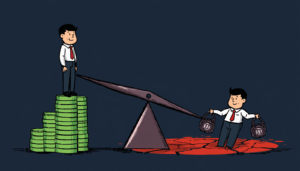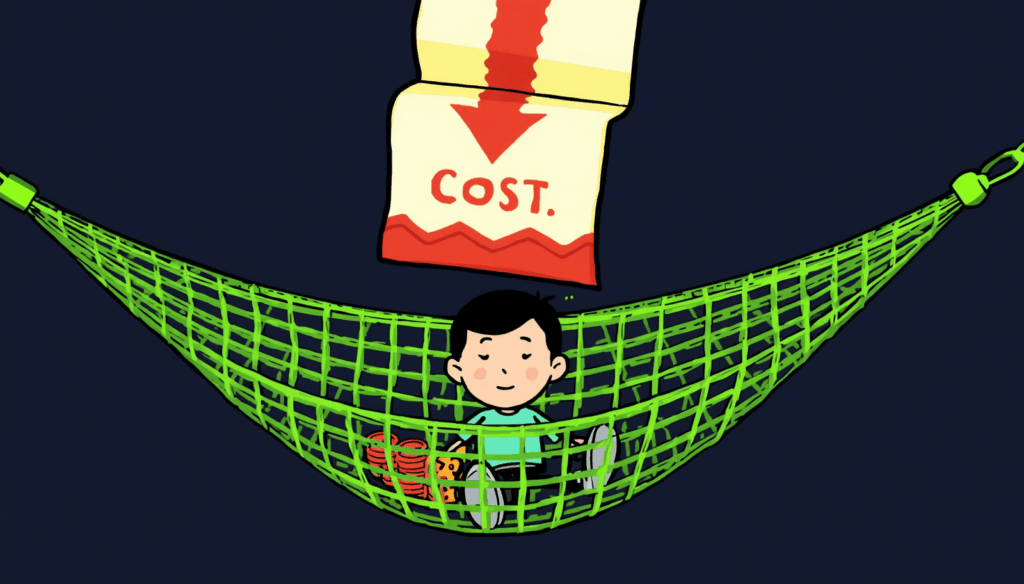
Illustrative Disclaimer: Any names, characters, or personal scenarios mentioned in this article are entirely fictional and created solely for educational purposes. They do not represent real individuals, events, or situations. Any resemblance to actual persons, living or deceased, is purely coincidental.
The car starts making a strange grinding noise on a Tuesday morning, and by Thursday, the mechanic has handed over a repair bill for nine hundred dollars. That same week, a molar that has ached for months finally cracks, and the dentist needs four hundred more. For someone with no cushion, these two ordinary events arrive together and turn a normal month into a financial emergency. An emergency fund is the single thing that changes how that story ends.
This person was not careless with money. They had spent months chipping away at a credit card balance, skipping small treats, and slowly moving in the right direction. Then one unexpected expense erased that progress in a single afternoon. The credit card comes back out, the balance climbs again, and the months of effort start to feel pointless. This exact moment is what an emergency fund exists to prevent.
Here is the encouraging part. An emergency fund is not a reward for people who already have money. It is the foundation that makes every other financial goal possible, and you can start building it from zero even when money already feels tight. This guide gives you the emergency fund explained in plain language, along with realistic steps for starting an emergency fund when there is almost nothing left at the end of the month.
Prefer to watch instead of read?
Subscribe to The Money Nudge on YouTube for plain-English videos on money, investing, and economic topics.
Table of Contents
What an Emergency Fund Actually Is
An emergency fund is a pool of money you set aside for the costs that life throws at you without warning. It sits separate from your everyday spending money, and it has one job, which is to cover true emergencies so you do not have to reach for a credit card or a high-cost loan. The fund is not for vacations, holidays, or a new phone. It is the money that stands between you and debt when something genuinely unexpected goes wrong.
The expenses an emergency fund covers tend to fall into a few clear groups. A sudden car repair counts. A surprise medical or dental bill counts. A broken appliance that you truly need, such as a refrigerator or a furnace in winter, counts. So does a gap in income if you lose your job or your employer cuts your hours. These events share two traits, which are that they feel urgent and that you did not plan for them.
It helps to picture the difference between an emergency and a regular expense. Rent, groceries, and insurance are predictable, so they belong in your monthly budget rather than your emergency fund. A birthday gift you knew about for months is not an emergency either, because you had time to plan for it. An emergency fund handles the costs you could not see coming and cannot safely ignore. That distinction matters, and it protects the fund from slowly draining away.
Simple Steps To Break The Paycheck To Paycheck Trap
Read Article →Why an Emergency Fund Is the Foundation of Every Financial Plan
Most financial goals assume a stable starting point. Paying off debt, investing for retirement, saving for a house, and building wealth all depend on one quiet condition, which is that nothing knocks you backward along the way. Life does not cooperate with that assumption. Cars break down, people get sick, and jobs disappear. Those shocks need somewhere to land, and a cushion of cash absorbs the blow. An emergency fund fills that role as your financial safety net, holding the rest of your plan steady so it keeps moving forward.
Consider what happens to someone who tries to build wealth without this safety net in place. They might pour every spare dollar into investments or into paying down a loan, which feels productive. Then an emergency hits, and they have no cash to handle it. So they either sell an investment at a bad time, stop their debt payments, or borrow money at a high interest rate. Each of those moves sets them back further than the original emergency did, and the same cycle repeats with the next surprise.
This is why an emergency fund comes before almost everything else. It is tempting to chase higher returns or aggressive debt payoff first, because those goals feel exciting. An emergency fund feels boring by comparison. Yet the fund is what keeps a single bad week from undoing years of effort. Building wealth on top of no emergency savings is like building a house on sand. The structure looks fine until the first storm arrives, and then the whole thing shifts.

Understanding What Is The Stock Market Will Help You Build Your Net Worth
Read Article →How Much Money Belongs in an Emergency Fund
The honest answer to how much emergency fund you need is that it depends on your life. A single person with no dependents and a steady job needs a different cushion than a parent of three with irregular income. Rather than chasing one magic number, it helps to think in ranges that flex with your circumstances. The size of your fund should reflect your real expenses and your real risks, not a number you read in a headline.
A widely shared guideline suggests holding somewhere between three and six months of essential expenses once your fund is complete. Essential expenses mean the bills you cannot skip, such as housing, food, utilities, transportation, and insurance. Add those up for a single month, then multiply by the number of months you want to cover. Someone whose monthly essentials total two thousand dollars would aim for a complete fund of roughly six thousand to twelve thousand dollars over time.
Several factors push that range up or down. People with unstable or seasonal income often aim for the higher end, because their paychecks vary and a slow stretch can last a while. People who support a family, own an older car, or work in an unpredictable industry also benefit from a larger cushion. Someone with very stable employment and few obligations might feel comfortable nearer the lower end. The point is to match the fund to your own situation rather than to a generic rule.
Why Every Personal Budget You Have Tried Has Failed?
What to do instead.
Read Article →A Starter Emergency Fund Versus a Fully Funded One
Building three to six months of expenses sounds impossible when your account is near zero, so it helps to split the goal into two stages. The first stage is a starter emergency fund. This is a smaller, reachable target that gives you a basic layer of protection right away. Many people set this first milestone at around one thousand dollars, though a smaller amount still helps if that figure feels out of reach today. The starter fund handles the common, mid-sized surprises that otherwise send people straight to credit cards.
A starter emergency fund does not need to cover every disaster. The purpose of a starter fund is to break the habit of borrowing for ordinary problems. When a five hundred dollar car repair shows up and you have a starter fund, you pay the bill and move on, with no new debt, no added interest, and no downward spiral. That single win changes how you feel about money, because you learn that you can handle a setback on your own. Confidence grows from that experience, and it makes the next stage easier to pursue.
The second stage is a fully funded emergency fund. This is the larger cushion of three to six months from the previous section, and it protects you against the bigger shocks, especially a loss of income. You reach it gradually, often over a year or more, by adding to the fund steadily after the starter amount is in place. Most people pause aggressive investing or extra debt payments only until the starter fund exists, then balance the full fund alongside other goals. Both stages matter, and reaching the first one is a genuine achievement worth pausing to recognize.
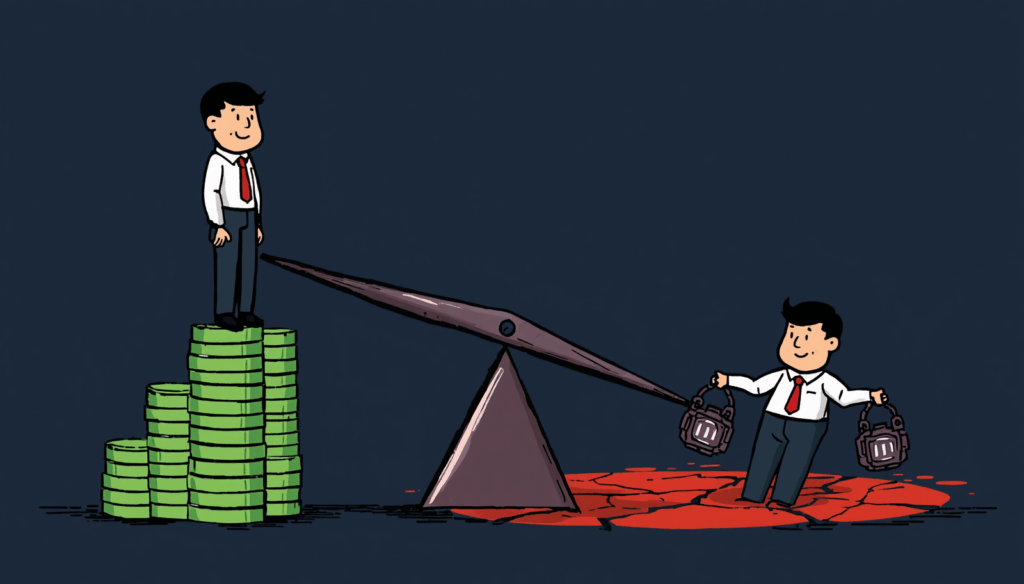
Understanding Your Net Worth Will Be The Game Changer.
Read Article →Where to Keep Your Emergency Fund
An emergency fund works best when it is easy to reach in a real emergency yet hard to spend on impulse. Those two needs pull in opposite directions, so the goal is a sensible middle ground. If your money sits in an account you can barely reach, it is useless when the furnace dies on a Sunday. Money that sits in your main checking account, right next to your spending, tends to leak away on everyday purchases. The right home for the fund keeps it close but slightly out of sight.
A separate savings account, held apart from the account you use for daily bills, fits this purpose well for most people. Keeping the fund in its own account creates a small, helpful barrier. You can still move the money quickly when you genuinely need it, but you will not see the balance every time you check your spending account, so you feel less temptation to dip in. Some people open this separate account at a different institution entirely, which adds another small step between an impulse and a withdrawal.
Two principles matter more than the specific place you choose. First, the money should stay safe and stable, which means an emergency fund is not the place to take investment risk. You do not want the balance to drop right when you need it most. Second, the money should remain reasonably easy to access, meaning you can reach it within a day or two without penalties. Beyond those two rules, the exact account matters far less than simply keeping the fund somewhere separate and protected.
An Emergency Fund Takes Shape One Small Deposit at a Time
Learning how to build an emergency fund feels different when there is genuinely nothing left at the end of the month. The advice to simply save more rings hollow when the budget barely stretches to cover the month. So the realistic approach is not to find a huge amount overnight. It is to start small, build a habit, and let the fund grow in steps that feel manageable. Progress beats perfection here, and even tiny amounts add up faster than you expect once they become automatic.
The first move is to look closely at where the money actually goes. Building a clear personal budget shows you the full picture, and it often reveals small, painless cuts you did not notice. A subscription you forgot about, a habit of eating out twice a week, or a slightly cheaper phone plan can each free up a little cash. You are not trying to slash your life to the bone. You are looking for a modest amount to redirect toward the fund every single week or month.
Automation does a lot of quiet work. Setting up a small automatic transfer into your separate savings account, even ten or twenty dollars on payday, removes the need to remember and the temptation to skip it. The amount can feel almost too small to matter, but the consistency is what builds the fund. Over a year, twenty dollars a week becomes more than a thousand dollars, which is a full starter fund you built almost without noticing. You can raise the amount whenever your situation improves.
Extra or irregular money offers another path. A tax refund, a work bonus, a birthday gift, or the cash from selling something you no longer use can all go straight into the fund. Because that money never felt like part of your normal budget, sending it to savings stings far less. Some people also pick up occasional extra work and assign those earnings entirely to the fund. Pay into the emergency fund the way you pay any other bill, every month, without skipping it. The exact tactic you use to free up the money matters far less than keeping that habit steady.
What Actually Counts as an Emergency
An emergency fund only works if the money stays in it until a real emergency arrives. The trouble is that almost anything can feel urgent in the moment. A great sale, a concert ticket, or a tempting upgrade can all masquerade as something you need right now. Drawing a clear line ahead of time, before the temptation appears, protects the fund from slowly bleeding out on things that were never true emergencies in the first place.
A genuine emergency usually passes three tests at once. The expense is unexpected, meaning you did not see it coming and could not have planned for it. The expense is necessary, meaning ignoring it would cause real harm to your health, your safety, your home, or your ability to earn a living. The expense is also urgent, meaning it demands attention now rather than next month. A surprise medical bill, an essential car repair, or a sudden loss of income clears all three tests without much debate.
Plenty of expenses fail at least one of those tests, even when they feel pressing. A holiday, a wedding you have known about for a year, a routine dental cleaning, or a new television are not emergencies, because you can plan and save for them separately. A predictable annual bill is not an emergency either, since you knew it was coming. Keeping these planned costs out of the emergency fund, and inside your regular budget instead, is what keeps the fund ready for the moments that truly count.
Refilling Your Emergency Fund Without the Guilt
Using the emergency fund is not a failure. It is the fund doing exactly the job you built it for. People sometimes feel a wave of guilt or frustration when the balance drops after an emergency, as if they did something wrong by spending it. The opposite is true. A drained fund that just saved you from credit card debt is a success story, not a setback. The money went exactly where you needed it to go, and now the task is simply to refill it.
Rebuilding follows the same gentle approach you used to build the fund the first time, and it usually feels easier because you have done it before. Restart your automatic transfers, redirect any spare or unexpected cash toward the balance, and temporarily pause other financial goals if the fund dropped very low. The aim is to return to your starter level first, then climb back toward your full cushion over time. There is no prize for rushing, so a steady pace that fits your budget works perfectly well.
It helps to treat the whole cycle as normal rather than as a crisis. Emergencies will keep happening throughout your life, which means you will use and rebuild your emergency fund more than once. That repeating pattern does not mean anything has gone wrong. It is the system working as intended. Each time you refill the fund, the habit grows stronger and the process grows faster, and you carry a little more confidence into whatever comes next.
How an Emergency Fund Breaks the Paycheck to Paycheck Cycle
Living paycheck to paycheck means every incoming dollar already has a job before it arrives. There is no gap between earning and spending, so any surprise expense has to go on credit. That borrowing creates interest, the interest creates bigger bills, and the bigger bills make the next month even tighter. The cycle feeds itself, and willpower alone rarely breaks it, because the math keeps pulling in the wrong direction.
An emergency fund attacks the cycle at its root. When a surprise expense lands and you have cash set aside, you pay for it without borrowing. No new debt enters the picture, so no new interest piles on, and next month looks the same as this one instead of worse. That single change, handling emergencies with savings rather than credit, is often the first crack of daylight for someone who has felt stuck for years. The fund turns an unpredictable expense into a manageable one.
The effect builds on itself in a quiet, powerful way. Each emergency you cover with the fund is a debt you did not take on, which means more of the money you earn next month stays yours instead of going to a lender. That freed-up money can rebuild the fund, chip away at old debt, or finally go toward a goal you care about. Over time, the emergency fund does more than handle emergencies. It loosens the grip of the paycheck to paycheck pattern and hands a measure of control back to you.
Emergency Fund Mistakes That Quietly Trip People Up
Even people who build an emergency fund sometimes undercut it with avoidable mistakes. The most common one is keeping the fund too accessible. Money that sits right beside your daily spending invites small withdrawals for non-emergencies, and those little dips add up until the cushion is gone. Keeping the fund in a separate account, slightly out of easy reach, solves this problem with almost no effort on your part.
A second frequent mistake is waiting for the perfect moment to start. Some people decide they will begin saving once they earn more, once the holidays pass, or once some other milestone arrives. That perfect moment rarely comes, and the delay costs them months of progress. Starting an emergency fund with a tiny amount today beats waiting for an ideal situation that may never show up. The habit matters far more than the opening balance.
A third mistake is treating the fund like an investment and chasing growth with it. Keep this money somewhere safe and easy to reach instead of somewhere flashy. An emergency fund earns its keep by being available the instant you need it, not by posting a big return. Putting it somewhere risky means the balance might fall right when an emergency strikes, which defeats the entire purpose. Steady and boring is exactly what you want from this money. Save the growth-focused thinking for separate, longer-term goals where a temporary dip will not leave you stranded.
A final mistake is giving up after using the fund. People spend their emergency savings on a real emergency, feel discouraged, and never rebuild. That reaction quietly returns them to square one with no protection against the next surprise. Treating a withdrawal as normal, then calmly refilling the fund, keeps the protection in place for the long run. The goal is a fund that lives with you for life, shrinking and growing as real emergencies come and go.
Final Thoughts: The Foundation You Build First
An emergency fund changes the story that opened this article. The same car repair and dental bill that once meant new debt and lost progress become a minor, manageable bump for someone with a cushion in place. The expenses still happen, because life does not stop throwing surprises. The difference is that they no longer knock you off course or undo months of careful effort.
Building an emergency fund from zero is not fast, and it is not glamorous. It is a series of small, steady deposits that quietly add up into real security. You do not need a high income, a finance degree, or perfect discipline to do it. You need a separate place to keep the money, a clear sense of what counts as an emergency, and the willingness to start with whatever amount you can manage this week. Everything else grows from there.
This is the foundation that makes every other financial goal reachable. With an emergency fund standing guard, you can pay down debt, invest, and plan for the future without a single bad week erasing your work. That kind of security is not only for people who already have money. It is something you can begin building today, one small deposit at a time, starting from exactly where you are right now.
Watch It Instead
The Money Nudge — YouTube Channel
Prefer watching over reading? Every topic on this blog also comes to life as an animated video on our YouTube channel — where we make money talk even more simply.
Visit Our Channel